How to Properly Balance Your Pool's Chemicals


Having a pool in your backyard is a dream come true for many homeowners. It provides a cool and refreshing escape during the hot summer months. However, maintaining a pool can be a bit challenging, especially when it comes to balancing the chemicals.
Properly balancing your pool's chemicals is essential for several reasons. First and foremost, it ensures the safety of those who swim in the pool. Unbalanced chemicals can lead to skin and eye irritation, and in severe cases, can even cause chemical burns. Secondly, balanced chemicals help to keep the water clean and clear, preventing the growth of algae and bacteria.
Testing the Water
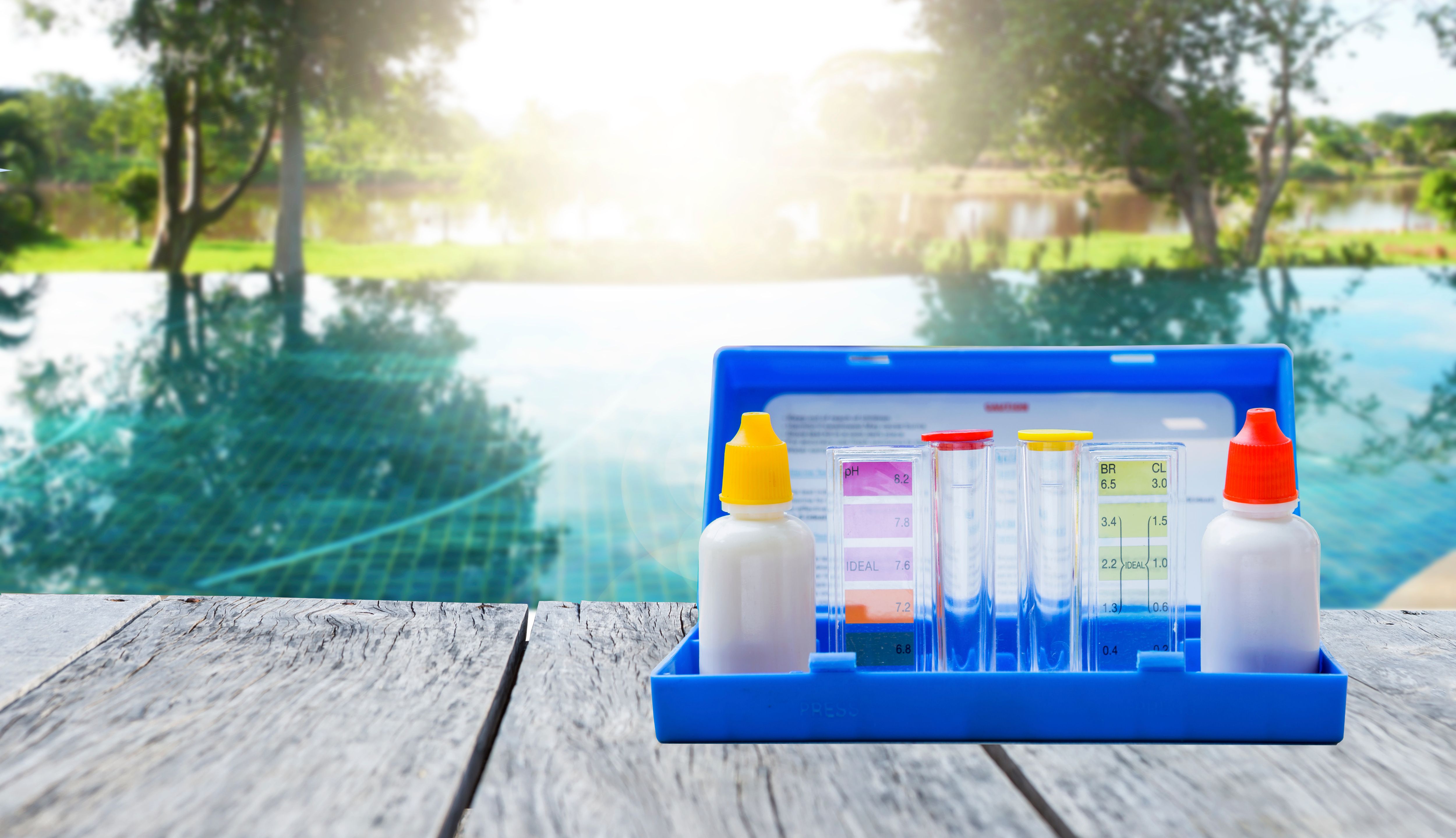
Before you can begin balancing your pool's chemicals, you need to know the current state of your water. This can be done by using a pool water testing kit. These kits are readily available at most pool supply stores and are relatively easy to use. Follow the instructions provided with the kit to test the water for pH, chlorine levels, alkalinity, and calcium hardness.

Adjusting the pH
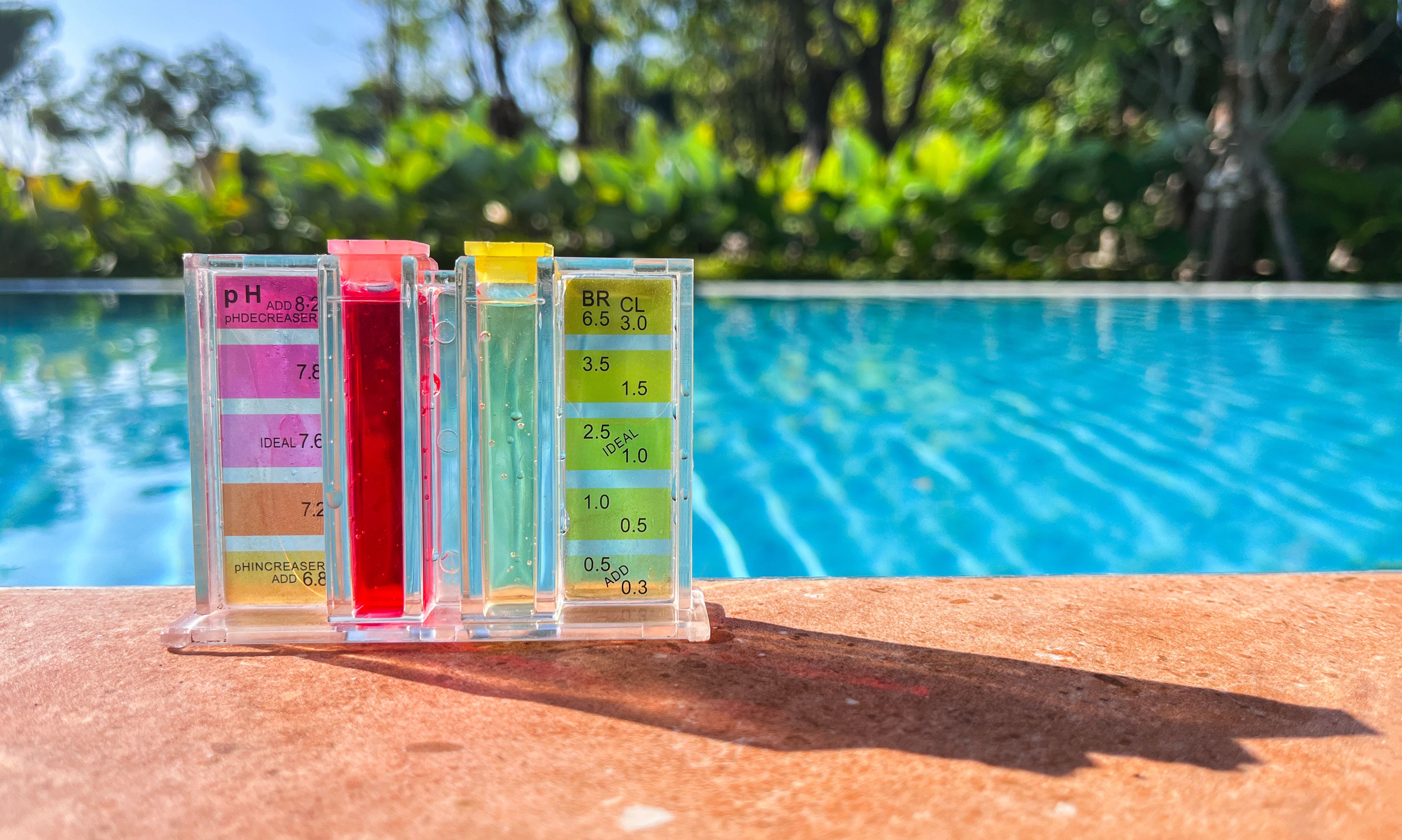
The pH level of your pool water is crucial for maintaining balanced chemicals. A pH level between 7.4 and 7.6 is considered ideal. If the pH level is too high, you will need to add a pH decreaser, such as muriatic acid, to bring it down. On the other hand, if the pH level is too low, you will need to add a pH increaser, such as soda ash, to raise it.
Sanitizing with Chlorine
Chlorine is a vital component in maintaining a clean and healthy pool. It helps to kill bacteria and prevent the growth of algae. The ideal chlorine level for a pool is between 1 and 3 parts per million (ppm). If the chlorine level is too low, you will need to add chlorine tablets or liquid chlorine to raise it. If the chlorine level is too high, you can add a chlorine neutralizer to bring it down.

Adjusting Alkalinity and Calcium Hardness
Alkalinity and calcium hardness levels also play a significant role in balancing your pool's chemicals. Alkalinity helps to stabilize the pH level, while calcium hardness prevents the water from becoming corrosive. If either of these levels is too high or too low, it can affect the overall balance of the pool's chemicals. Use specific chemicals designed to adjust alkalinity and calcium hardness levels as needed.

Regular Testing and Maintenance
Once you have balanced your pool's chemicals, it is essential to regularly test the water to ensure that the levels remain within the desired range. Aim to test the water at least once a week, or more frequently during periods of heavy pool usage or extreme weather conditions.
Conclusion
Properly balancing your pool's chemicals is vital for maintaining a safe and enjoyable swimming environment. By regularly testing and adjusting the pH, chlorine, alkalinity, and calcium hardness levels, you can ensure that your pool remains clean and clear throughout the swimming season. Remember to follow the instructions provided with the pool chemicals and testing kits, and always wear protective gloves and eyewear when handling chemicals.