Debunking Common Pool Maintenance Myths: What You Really Need to Know


Understanding Pool Maintenance
Maintaining a pool can often seem daunting, especially with all the myths floating around. It's important to distinguish between fact and fiction to keep your pool in pristine condition without unnecessary effort or expense. Let's explore some common pool maintenance myths and uncover the truth behind them.

Myth 1: More Chlorine Means a Cleaner Pool
One prevalent misconception is that adding more chlorine will make your pool cleaner. While chlorine is essential for sanitizing, excessive amounts can lead to skin irritation and damage to pool equipment. It's crucial to maintain a balanced level of chlorine, typically between 1-3 ppm, to ensure effective disinfection without adverse effects.
To manage chlorine levels effectively, consider using a pool testing kit regularly. This will help you keep the levels balanced and your pool safe for swimming.
Myth 2: Pools Need Less Maintenance in Winter
Many pool owners believe that their pools require minimal upkeep during the colder months. However, neglecting winter maintenance can lead to costly repairs come spring. It's vital to maintain a regular cleaning schedule, check chemical levels, and ensure your equipment is functioning properly even when the pool is not in use.

Myth 3: A Clear Pool is a Clean Pool
Just because your pool water looks clear doesn't mean it's clean. Algae and bacteria can still thrive in seemingly pristine water. Regularly test and adjust the chemical balance to prevent these invisible contaminants from taking hold. Relying solely on appearance can lead to health risks and potential damage to your pool.
Essential Pool Maintenance Tips
To keep your pool in top condition, consider these essential maintenance tips:
- Regular Testing: Use a testing kit to monitor pH, chlorine, and other chemical levels at least once a week.
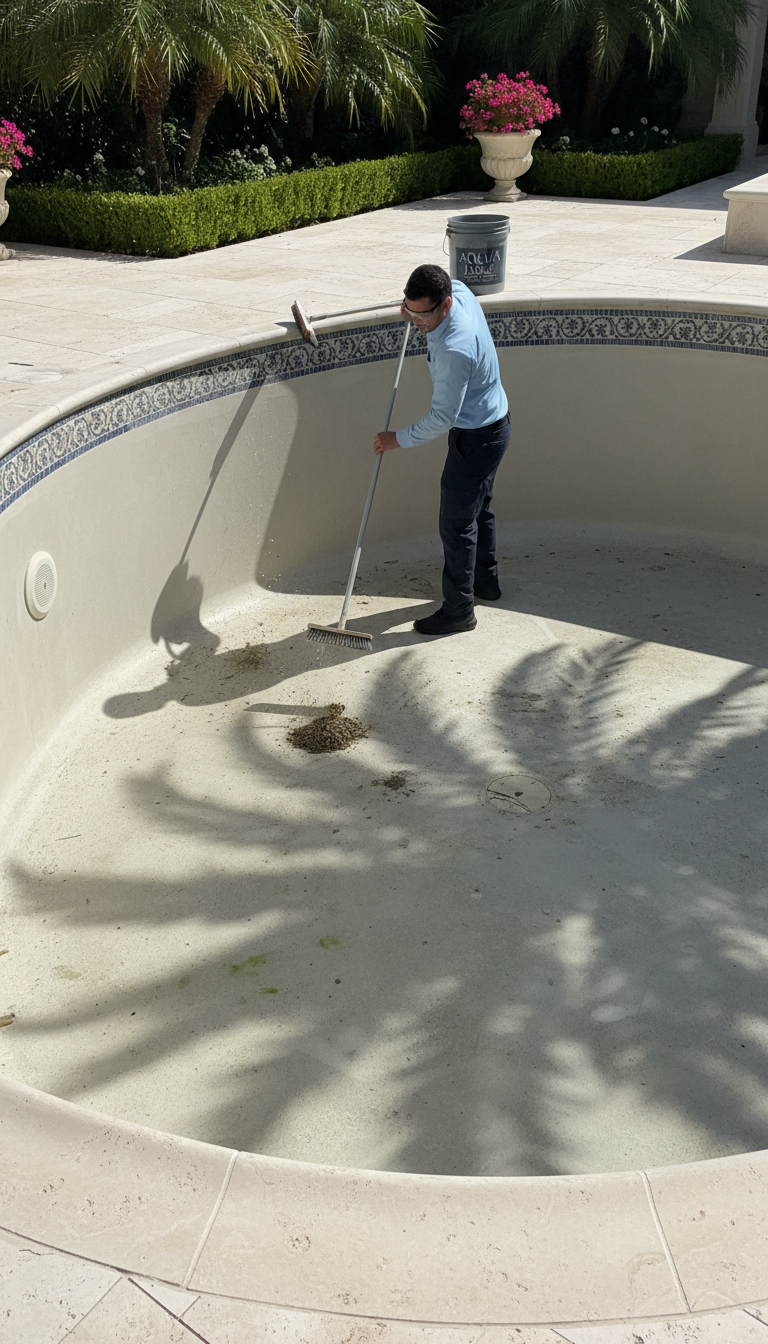
- Consistent Cleaning: Skim debris, vacuum the pool, and brush the walls regularly to prevent buildup.
- Filter Maintenance: Clean or replace your pool filter as needed to ensure efficient operation.
Myth 4: Saltwater Pools Don’t Need Chlorine
Another common myth is that saltwater pools are chlorine-free. In reality, saltwater pools use a chlorine generator to convert salt into chlorine. Therefore, they still require monitoring and maintenance to ensure proper chlorine levels. The benefit is a more gentle swimming experience with less chemical handling.
Understanding the unique needs of a saltwater system can help prevent corrosion and extend the life of your pool equipment.
Conclusion
Debunking these myths is crucial for effective pool maintenance. By focusing on accurate information and consistent care, you can enjoy a sparkling, safe pool year-round. Regular testing, cleaning, and equipment checks are essential practices that help prolong the life of your pool and enhance the swimming experience.
Remember, a well-maintained pool not only adds value to your home but also provides a refreshing retreat for family and friends. Stay informed and keep your pool in optimal condition!