Common Pool Maintenance Mistakes and How to Avoid Them


Neglecting Regular Cleaning
One of the most common mistakes in pool maintenance is neglecting regular cleaning. Skipping this crucial step can lead to a buildup of debris, algae, and bacteria, which can harm both the pool and its users. To avoid this, set a schedule for skimming the surface, brushing the walls, and vacuuming the floor of the pool. Regular cleaning helps maintain the water’s clarity and prevents long-term damage.
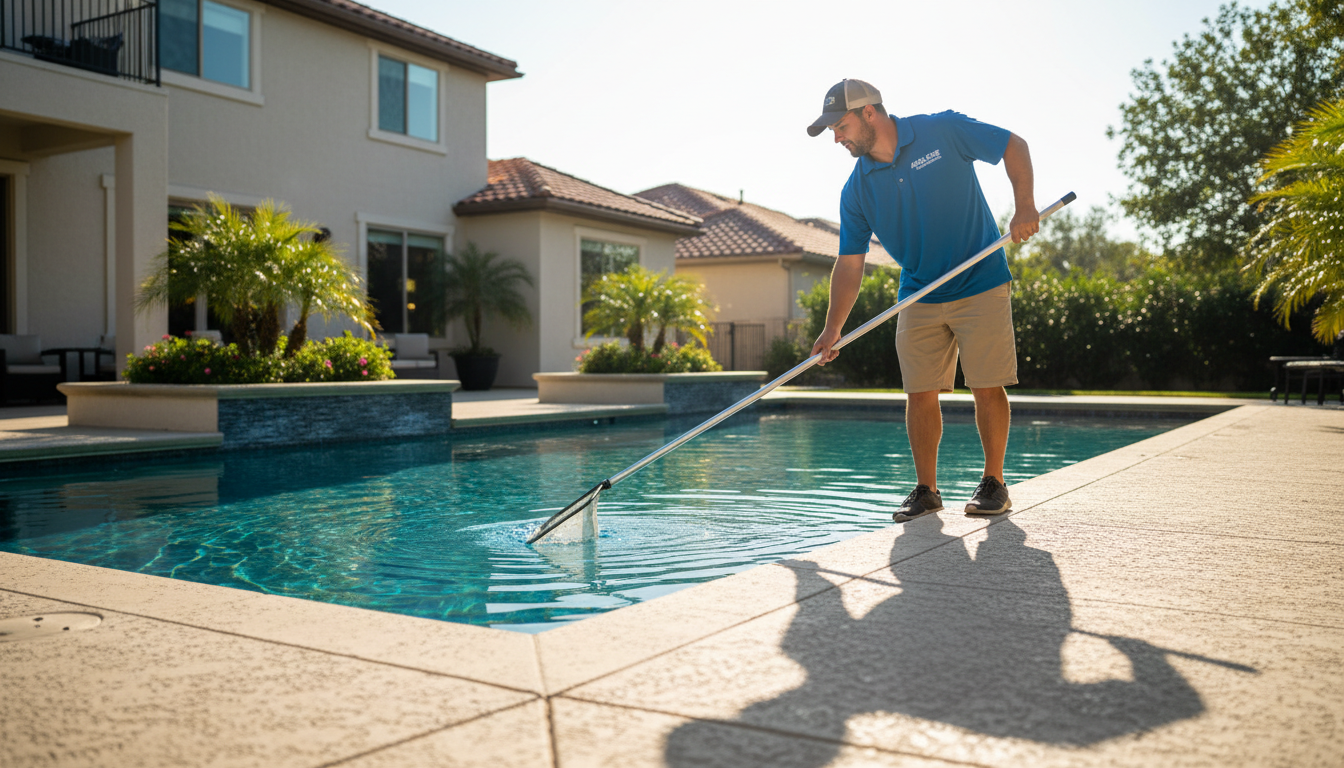
Proper Skimming Techniques
Skimming is essential for removing leaves and other debris that accumulate on the water's surface. Use a long-handled skimmer net and aim to do this at least a few times a week. This simple task can save you time and effort in the long run by preventing debris from sinking and decaying at the bottom of the pool.
Ignoring the Pool's Chemical Balance
Maintaining the correct chemical balance in your pool is vital for keeping the water safe and clean. Many pool owners either ignore this aspect or lack the knowledge to manage it properly. Regularly test the water's pH, alkalinity, and chlorine levels using a reliable testing kit. Adjust the chemicals as needed to keep the water balanced.
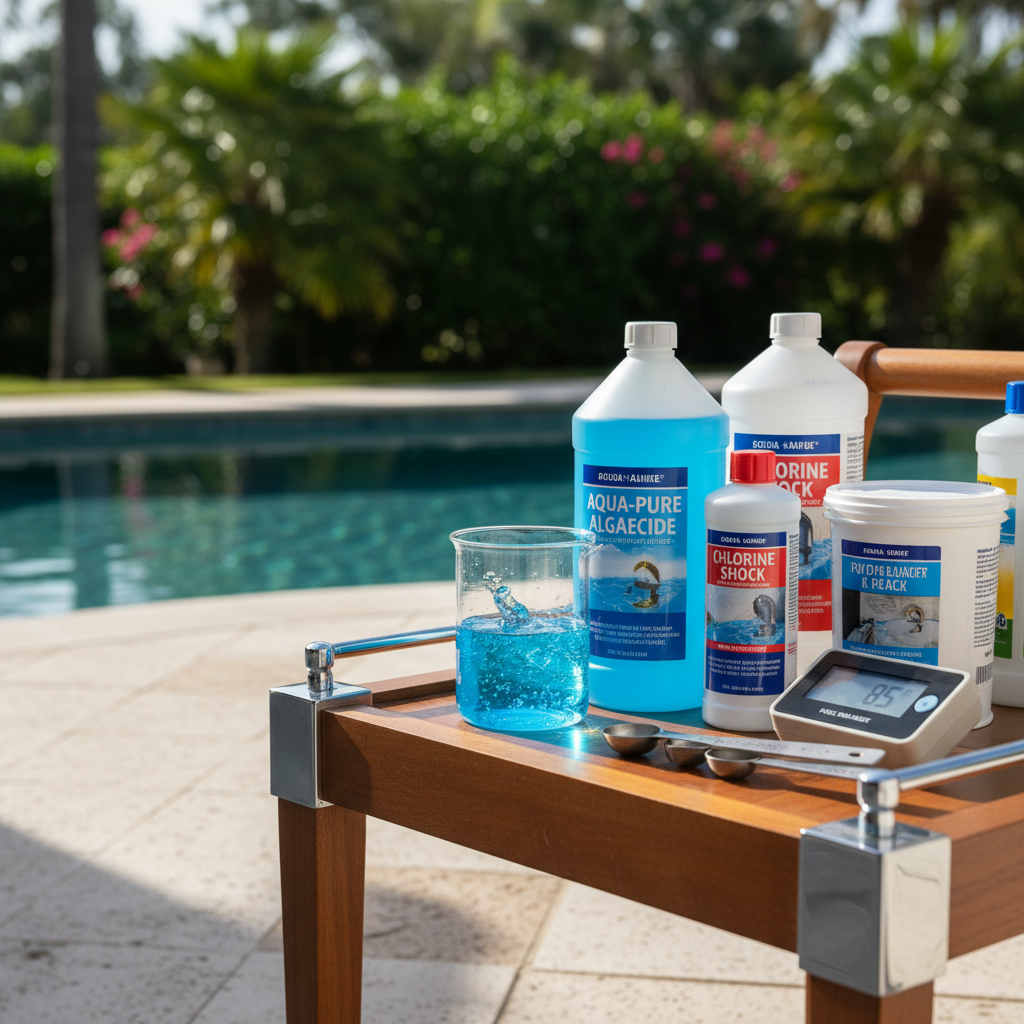
Understanding pH and Chlorine Levels
The ideal pH level for a pool is between 7.2 and 7.8. If the pH is too high or too low, it can cause skin irritation and damage pool equipment. Similarly, maintaining the right chlorine level is crucial for disinfecting the water. Too much chlorine can be harsh, while too little can lead to bacteria growth. Regular testing and adjustments are key.
Overlooking the Pool Filter
Another mistake is not paying attention to the pool filter. The filter plays a crucial role in keeping the water clean by removing impurities. Check and clean your filter regularly to ensure it’s functioning efficiently. A clogged filter can lead to cloudy water and strain the pool's pump system.
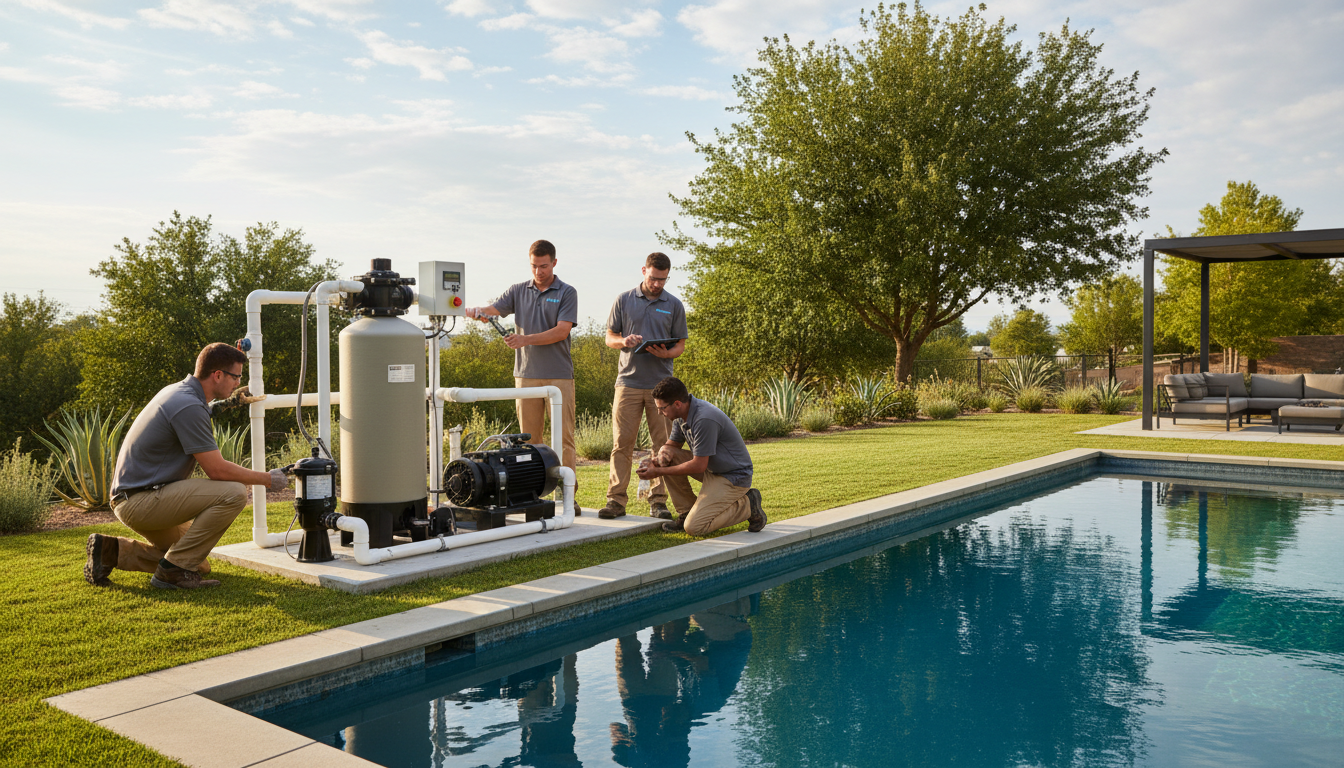
Types of Pool Filters
There are three main types of pool filters: sand, cartridge, and diatomaceous earth (DE). Each requires different maintenance procedures. Ensure you understand the type of filter your pool uses and follow the manufacturer’s guidelines for cleaning and replacement.
Underestimating the Importance of Water Levels
Maintaining the correct water level is often overlooked but is crucial for the pool’s overall health. Water levels that are too low can damage the pump, while too high levels can affect the skimmer’s efficiency. Regularly check and adjust the water level, especially after heavy rainfall or frequent use.
Simple Water Level Checks
Use the pool’s skimmer as a guide for the ideal water level. The water should be at the center level of the skimmer opening. Adjust as necessary by adding or draining water to keep it within this range.