Common Pool Cleaning Myths Debunked


Introduction to Pool Cleaning Myths
Swimming pools are a fantastic addition to any home, offering a relaxing oasis for enjoyment and exercise. However, maintaining them can sometimes be surrounded by misconceptions. In this post, we aim to debunk some of the most common pool cleaning myths, helping you keep your pool sparkling clean.

Myth 1: Clear Water Means a Clean Pool
One of the biggest misconceptions is that if the water looks clear, it is clean. However, this is not always the case. Clear water can still harbor bacteria and algae that are invisible to the naked eye. Regular testing of water pH and chemical levels is essential to ensure it's truly safe.
Ignoring these hidden threats could lead to health issues for swimmers and potential damage to pool infrastructure. Therefore, always prioritize regular water testing and not just visual checks.
Myth 2: Chlorine is the Only Chemical You Need
While chlorine is a crucial component for sanitizing your pool, relying solely on it is a mistake. Proper pool maintenance requires a balance of various chemicals, including algaecides and pH balancers. This ensures that your pool remains safe and pleasant to use.
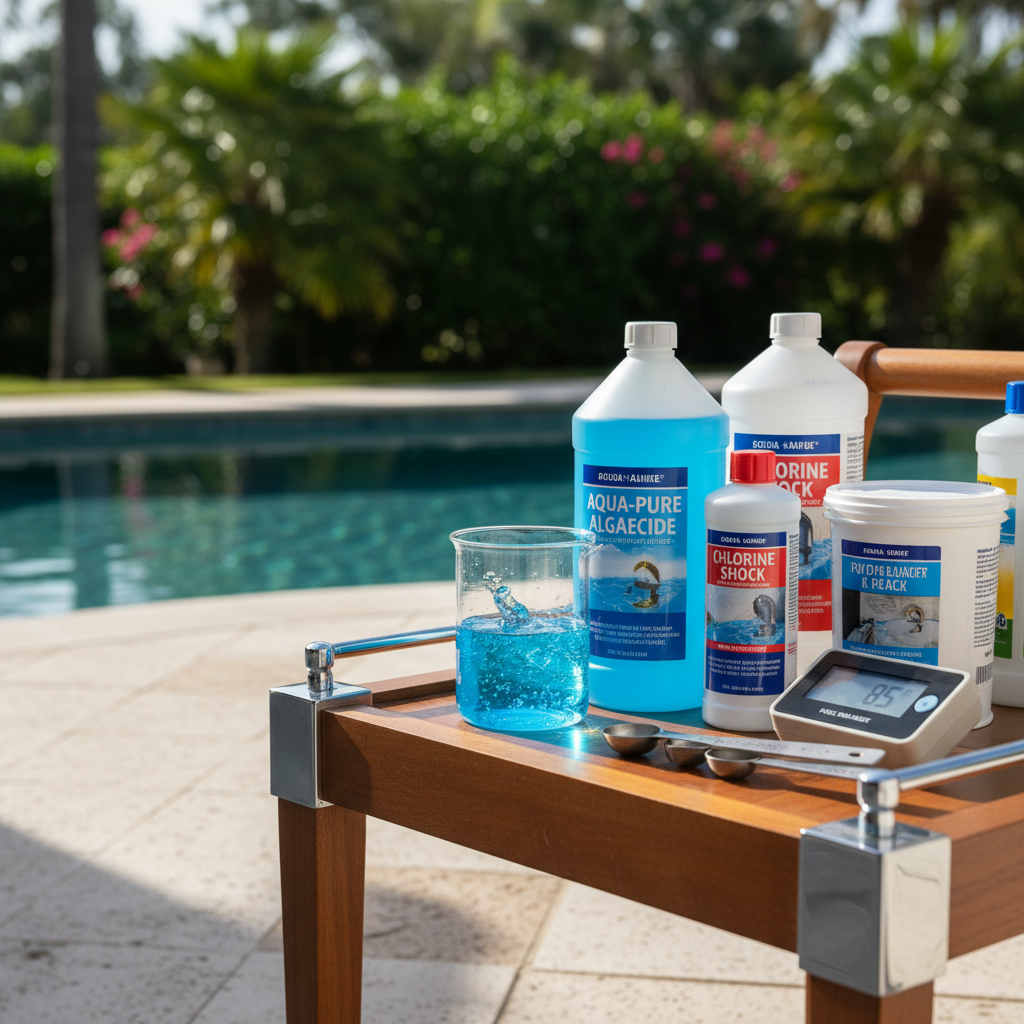
The Role of Algaecides
Algaecides help prevent the growth of algae, which can quickly turn your pool water green. Regular use complements chlorine, ensuring your pool stays visually appealing and hygienic.
Myth 3: Pools Don't Need Winter Maintenance
Another common misconception is that pools don't require attention during the colder months. Winterizing your pool is crucial to prevent damage from freezing temperatures and to make reopening in the spring much easier.
This process involves adjusting the chemical levels, cleaning the pool thoroughly, and covering it appropriately. Failing to do so can lead to costly repairs when the swimming season returns.

Myth 4: Shocking a Pool Fixes Everything
Pool shocking is a powerful tool for managing pool cleanliness, but it is not a cure-all. Overreliance on shocking can lead to an imbalance in water chemistry. Regular maintenance and balanced chemical use are key to avoiding the need for frequent shocking.
Consider shocking as a part of a broader maintenance routine, not a standalone solution.
Conclusion
Understanding the truths behind these common pool cleaning myths can save you time, money, and effort. By focusing on regular maintenance, balanced chemical use, and year-round care, you can ensure your pool remains a healthy and enjoyable place for relaxation.
Always remember that professional advice is valuable. When in doubt, consult with a pool maintenance expert to keep your pool in top condition.